Bahrain Versus Haiti Two Flags in Design: A Creative Concept for Global Branding and Illustration
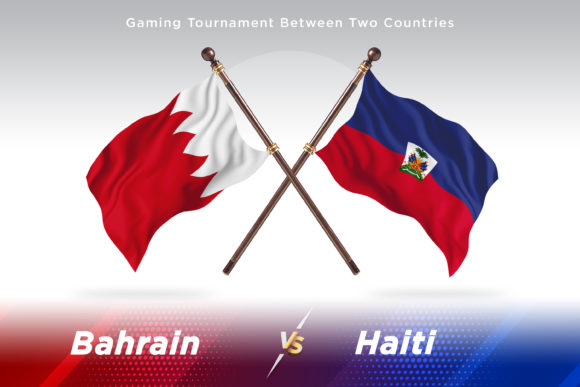
In today’s globalized digital landscape, the visual representation of countries plays a vital role in branding, marketing, and creative design. The concept of Bahrain Versus Haiti Two Flags has emerged as a powerful tool for illustrators, designers, and marketers who seek to convey themes of contrast, competition, or cultural diversity through imagery. This design approach typically involves placing the official flags of Bahrain and Haiti side by side or in dynamic interaction, such as in a 3D waving position on an isolated background. These flags are meticulously layered in formats like PSD, JPEG, and PNG, with each flag named and organized for easy editing via smart objects.
The Significance of Country Flags in Visual Communication
Country flags serve as universal symbols that represent identity, heritage, and values. In design, they are more than just decorative elements—they are narrative tools. When used creatively, such as in the Bahrain versus Haiti Two Flags illustration, they can communicate complex ideas without words. For instance, this concept could be employed in geopolitical infographics, sports event promotions, or even in educational content to highlight differences and similarities between nations.
Designers often leverage country flags to evoke emotional responses or to align with cultural narratives. Whether it's for a blog post, a presentation, or a social media campaign, using flags in a structured and visually appealing format helps maintain authenticity while engaging a diverse audience.
Why Use the "Versus" Format?
The “versus” layout is particularly popular in modern design because it taps into our natural curiosity about contrasts and comparisons. It’s a technique widely used in sports, politics, and technology sectors to present two opposing sides in a balanced yet dynamic way. By isolating the flags of Bahrain and Haiti and positioning them in a 3D waving format, this design becomes not only informative but also aesthetically compelling.
For professionals working in fields like graphic design, international marketing, or content creation, having access to high-resolution illustrations with well-organized layers makes all the difference. The ability to edit each flag independently using smart objects ensures flexibility and precision—whether you're resizing, repositioning, or adding custom effects.
Adapting to Modern Workflows and User Expectations
With the rise of remote work and digital collaboration, the need for scalable, editable, and easily customizable design assets has never been higher. The Bahrain Versus Haiti Two Flags illustration caters directly to these needs by offering multiple file formats (PSD, JPEG, PNG) at a high resolution of 4500 x 3000 pixels. This level of detail supports both print and digital applications, from website headers to promotional banners and posters.
Users expect visuals that are not only high-quality but also adaptable. Having each flag on its own layer allows for seamless integration into existing projects. For example, if you're designing a travel blog comparing destinations in the Middle East and the Caribbean, this illustration provides a ready-made solution that can be tailored to your specific needs.
Layer Organization and Smart Objects
A key feature of the Bahrain versus Haiti Two Flags bundle is its well-organized layers. This structure ensures that designers can navigate the file efficiently and make changes without disrupting the overall composition. Additionally, smart object usage means that any edits made to one flag won’t compromise the quality of the other. This is especially important when applying transformations or filters, as it preserves sharpness and clarity across the entire image.
Such attention to technical detail reflects a growing trend among professional designers to prioritize efficiency and scalability in their workflows. With tight deadlines and ever-evolving client demands, being able to quickly adapt a pre-built asset like this can save valuable time and resources.
Practical Applications Across Industries
From educators to entrepreneurs, the Bahrain Versus Haiti Two Flags illustration offers versatile use cases:
- Marketing Campaigns: Brands targeting international markets can use this visual to emphasize inclusivity, diversity, or regional focus. For instance, a company launching products in both regions might create a dual-nation campaign using the flags as central motifs.
- Content Creation: Bloggers and YouTubers discussing global topics—like economic development, cultural traditions, or political systems—can enhance their posts with this illustration to add visual interest and context.
- Presentations and Reports: Educators and analysts frequently use flags to represent data points or case studies. The clear separation and naming of each flag in the PSD file make it ideal for embedding into slides or reports.
- Educational Materials: Teachers creating geography lessons or cultural studies presentations can benefit from the clean, isolated format of this illustration. The flags can be combined with other design elements to build interactive learning modules.
Realistic Examples of Usage
Imagine a business analyst preparing a report on emerging markets in the Gulf and the Caribbean. Instead of using generic icons or text labels, they can integrate the Bahrain versus Haiti Two Flags illustration to clearly differentiate the two regions. The 3D waving effect adds motion and realism, making the visual more engaging for stakeholders.
Or consider a designer creating a logo for a bilingual startup that operates in both Bahrain and Haiti. The flags can be subtly incorporated into the design to reflect the company’s global presence while maintaining a cohesive brand identity. Since the flags are isolated and editable, the designer can adjust colors, sizes, or positions without affecting the rest of the artwork.
How This Concept Fits Into Current Trends
One of the most significant trends in modern design is the move toward modularity and reusability. Assets that are built with smart objects and organized layers are highly valued because they allow for quick modifications and consistent output across different platforms. The Bahrain Versus Haiti Two Flags illustration aligns perfectly with this trend by offering a structured, scalable solution for flag-based design work.
Another relevant trend is the increasing demand for culturally accurate and respectful design. Using official country flags ensures authenticity, which is crucial when representing national identities. As audiences become more discerning and sensitive to cultural nuances, providing accurate representations like those found in the Bahrain versus Haiti Two Flags bundle is essential for maintaining trust and credibility.
Customization and Scalability
Designers aren't limited to just Bahrain and Haiti. If additional flags are needed, many creators offer customization options. This adaptability is a huge advantage for businesses or individuals who may want to expand their design scope beyond the initial set. For instance, a designer working on a multi-national project might request the inclusion of other flags to create a comprehensive visual comparison.
Moreover, the high resolution (4500 x 3000 px) ensures that the illustration remains crisp and clear even when scaled up for large-format printing or displayed on high-definition screens. This makes it suitable for a wide range of applications, including billboards, exhibition materials, and immersive digital experiences.
Recommendations for Effective Use
To maximize the impact of the Bahrain Versus Haiti Two Flags illustration, consider the following tips:
- Use in Context: Ensure the flags are part of a larger narrative. Simply placing them together doesn't always convey meaning—frame them within a story or theme to add depth.
- Respect Cultural Sensitivities: Always verify the accuracy of flag designs and avoid altering them in ways that could be misinterpreted or disrespectful.
- Leverage Layered Files: Take full advantage of the PSD format. Modify the flags' positions, add shadows, or incorporate other design elements to suit your specific project.
- Maintain Consistency: If using the JPEG or PNG versions, apply the same styling throughout your project to ensure a unified look and feel.
- Seek Custom Options: Don’t hesitate to request additional flags or variations. Many designers are open to adapting their templates to better fit your needs.
By following these guidelines, you can transform a simple flag illustration into a meaningful visual element that enhances your message and connects with your audience on a deeper level.
Future-Proof Your Designs
As design trends continue to evolve, having a resource like the Bahrain versus Haiti Two Flags illustration can help future-proof your work. Its modular structure and high-resolution format mean it can adapt to new trends, such as minimalism, augmented reality, or responsive web design. Staying ahead of the curve isn’t just about knowing what’s next—it’s about building a foundation that can support innovation.
Additionally, as more brands embrace global outreach, the ability to visually represent different cultures and regions will become increasingly important. Tools that simplify this process—like the layered and editable nature of this flag illustration—are likely to remain in demand across various industries.
Conclusion
The Bahrain Versus Haiti Two Flags concept is more than just a design asset; it’s a reflection of how we engage with global identities in a digital-first world. Whether you're an educator, marketer, or creative professional, this illustration offers a unique blend of aesthetics and functionality that can elevate your work. Its relevance lies in its ability to bridge the gap between visual storytelling and practical design, making it a valuable addition to any creative toolkit.