Bahamas Versus Malta Two Flags – A Creative Concept for Global Branding and Design
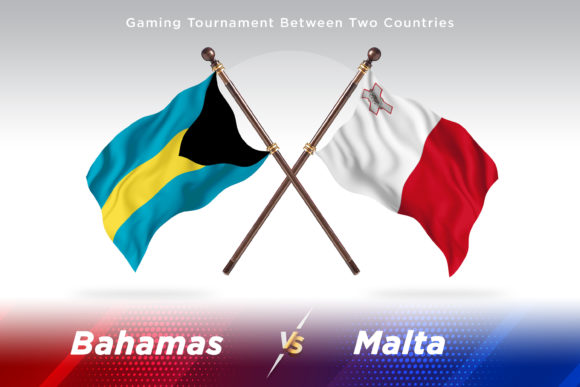
When it comes to visual storytelling, few symbols are as powerful and universally recognized as national flags. The concept of Bahamas Versus Malta Two Flags offers a compelling way to explore identity, contrast, and global connection through the lens of design. This illustration presents two official country flags — one from the Bahamas and another from Malta — in a dynamic, 3D waving position against an isolated background. Each flag is placed on its own layer with proper labeling, making this resource ideal for professionals who want to create custom designs that reflect cultural or geographic themes.
The Power of Flag-Based Visual Concepts
National flags are more than just pieces of cloth; they represent history, values, and the spirit of a nation. In today’s fast-paced digital world, where first impressions matter, using flags creatively can add depth and meaning to your visual content. The Bahamas Versus Malta Two Flags concept takes advantage of this by placing two distinct flags side by side, allowing viewers to draw parallels or contrasts based on their unique designs and symbolism.
This approach is particularly relevant for marketers, educators, and designers looking to communicate messages about diversity, competition, collaboration, or simply aesthetic appeal. Whether you're creating a presentation on international markets or designing a logo that blends Caribbean and Mediterranean influences, having access to high-quality, layered illustrations makes all the difference.
Why the Bahamas and Malta?
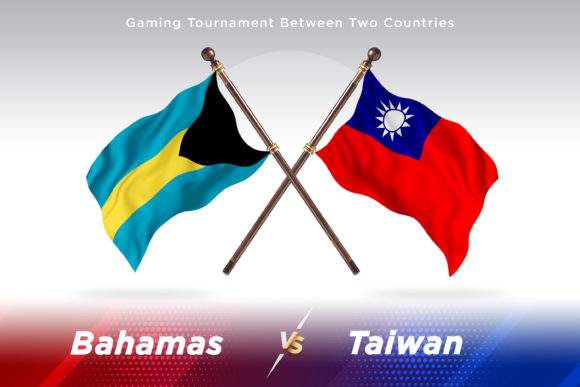
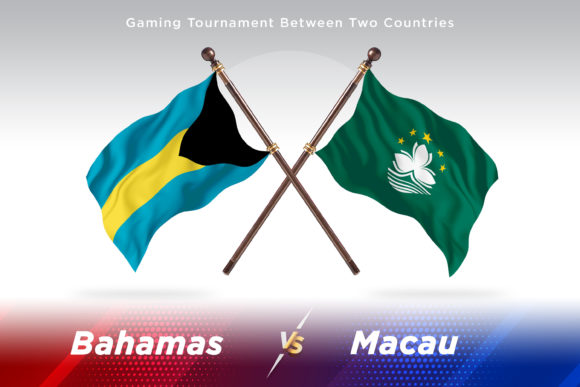
The choice of these two countries brings together two very different yet equally fascinating cultures. The Bahamas, known for its vibrant turquoise waters and laid-back island lifestyle, features a flag with a bold blue triangle and bright yellow right angle. On the other hand, Malta’s flag consists of a simple red and white cross, reflecting its deep historical roots and European heritage. Together, they form a striking visual juxtaposition that can spark curiosity and conversation.
Using these flags in a design allows for flexibility — whether you’re highlighting their differences or finding common ground between them. For instance, if you're working on a project related to travel, real estate, or cultural exchange, pairing the Bahamas and Malta visually can help emphasize the contrast or complementarity of their environments and identities.
Design Flexibility with Smart Objects and Layered Files
One of the most valuable aspects of the Bahamas Versus Malta Two Flags bundle is the use of smart objects within a PSD file. This feature enables users to edit the flags easily without compromising quality, which is essential for maintaining professional standards in print or digital media. With dimensions of 4500 x 3000 pixels, the illustration is suitable for both large-scale presentations and smaller online banners, ensuring clarity across platforms.
The inclusion of JPEG and PNG formats adds convenience for those who need quick access to ready-to-use images. While the PSD file is perfect for customization, the raster versions allow for immediate integration into websites, social media posts, or marketing materials. This level of adaptability meets modern workflow demands, where speed and precision go hand in hand.
Well-Organized Layers for Customization
Each flag is placed on its own clearly labeled layer, making it easy to manipulate individual elements or replace them with other flags. This organization is especially beneficial for graphic designers and illustrators who may need to adjust colors, scale sizes, or integrate additional country flags into the composition. If you require flags not included in the original set, many creators offer options to expand the collection — a testament to how this trend has evolved to meet diverse creative needs.
Applications in Modern Workflows and Industries
In recent years, there's been a growing interest in using country flags as part of branding, storytelling, and educational materials. This trend aligns with the increasing globalization of business and culture, where audiences expect content to be inclusive, informative, and visually engaging. The Bahamas Versus Malta Two Flags concept fits perfectly into this context, offering a clean and scalable way to incorporate meaningful visuals into various projects.
- Marketing and Advertising: Use the flags to create campaigns that target multiple regions or emphasize the contrast between tropical and urban lifestyles.
- Travel Industry: Showcase the unique destinations represented by each flag, helping potential travelers visualize the experience.
- Education and Presentations: Incorporate the flags into slides or infographics discussing geography, politics, or cultural studies.
- Graphic Design Projects: Utilize the layered files to build custom backgrounds, posters, or website headers that reflect international themes.
What sets this resource apart is its ability to blend technical quality with creative freedom. Unlike generic stock images, the Bahamas versus Malta Two Flags illustration gives you control over every detail, from positioning to color adjustments, allowing you to tailor the design to your specific goals.
Realistic Examples of Usage
Consider a travel blog promoting both the Bahamas and Malta as dream destinations. By using this illustration, the designer can immediately convey the essence of each location — the Bahamas' beachy vibe and Malta’s rich history — in a single image. Similarly, a brand launching a product line inspired by island life could use the flags to highlight the dual influence of two contrasting but complementary cultures.
Another example might involve a political analyst comparing governance models between small island nations. Having the flags clearly separated and editable makes it easier to annotate and customize the visuals for reports or infographics. In short, this concept serves a wide range of applications beyond just aesthetics, making it a versatile tool in any creative arsenal.
How This Concept Fits Into Current Trends
With the rise of remote work, international collaboration, and digital nomadism, people are more connected across borders than ever before. Visual concepts like Bahamas Versus Malta Two Flags cater to this shift by providing tools that help designers and communicators bridge geographical and cultural divides through imagery.
Moreover, the demand for customizable, royalty-free assets continues to grow. Platforms such as Adobe Stock, Shutterstock, and Canva have seen increased traffic for vector-based and layered illustrations. Users now prefer assets that are adaptable rather than static, and the Bahamas versus Malta Two Flags concept delivers exactly that.
Evolving Needs in the Digital Age
Modern audiences are not only visually literate but also expect interactivity and personalization. When used in web design or app interfaces, layered flag illustrations can be animated or toggled on/off depending on user preferences. This kind of flexibility supports responsive design strategies and enhances user engagement.
For businesses operating in multiple regions, having accurate and customizable representations of their target markets can improve communication and brand recognition. It’s no longer enough to simply include flags in logos or headers — the details matter, and the Bahamas Versus Malta Two Flags resource ensures those details are handled professionally.
Practical Implications for Creators and Professionals
From a practical standpoint, the Bahamas versus Malta Two Flags concept saves time and effort. Instead of sourcing individual flag images and arranging them manually, you get a pre-designed layout that maintains consistency and visual appeal. The smart object functionality means you can change the size or orientation of each flag without worrying about pixelation or distortion.
- Time Efficiency: Editable layers reduce the need for repetitive tasks like resizing or repositioning.
- Accuracy: Official country flags ensure authenticity and avoid copyright issues.
- Professional Quality: High-resolution output is crucial for print and digital use alike.
- Customizability: The option to add new flags or modify existing ones keeps the design current and relevant.
These benefits make the Bahamas Versus Malta Two Flags resource a must-have for anyone involved in creative work. Educators can use it to teach about regional differences, while entrepreneurs can leverage it to build a globally aware brand identity.
Recommendations for Getting the Most Out of This Resource
To maximize the value of the Bahamas versus Malta Two Flags illustration, consider the following tips:
- Use the smart objects to experiment with different color schemes or lighting effects.
- Combine the flags with other elements like maps, globes, or local landmarks for a richer visual narrative.
- Take advantage of the layered structure to animate the flags or create interactive designs for websites or apps.
- Don’t hesitate to request additional flags if your project involves more countries — this shows the scalability and adaptability of the concept.
By treating the flags as building blocks rather than static images, you open up a world of possibilities. Whether you're designing for a global audience or focusing on niche markets, the right visuals can make a significant impact.
Conclusion: A Tool for Thoughtful, Inclusive Design
The Bahamas Versus Malta Two Flags concept is more than just a design asset — it’s a reflection of our increasingly interconnected world. As professionals seek ways to express complex ideas in simple, impactful visuals, resources like this become indispensable. They support creativity, encourage deeper thinking about global representation, and provide the technical foundation needed for high-quality output.
For those who value both efficiency and artistic expression, this illustration offers the best of both worlds. It’s a forward-looking solution that respects the past, embraces the present, and adapts to future needs. As we continue to navigate a digital landscape where visuals speak louder than words, having access to thoughtful, well-structured flag illustrations will remain a key component of successful design practices.