Bahamas Versus Venezuela: A Comparative Illustration of Two National Flags
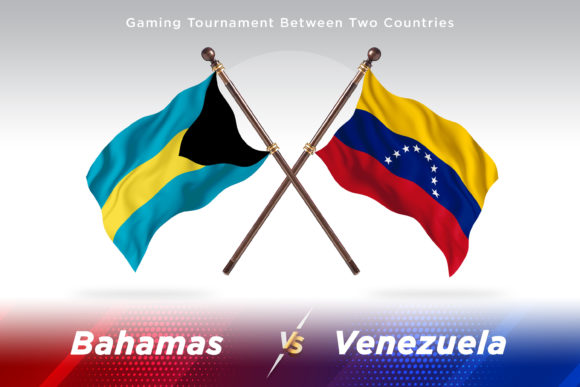
National flags are more than just colorful symbols; they represent the identity, history, and values of a country. In this article, we will explore the Bahamas versus Venezuela two flags concept through an illustrative lens—specifically, how these flags can be presented in a professional and creative format such as a 3D waving illustration with isolated layers. We’ll also examine the significance of each flag and discuss how this type of visual representation is used in design, education, and international contexts.
The Role and Significance of National Flags
National flags serve as powerful emblems of sovereignty and unity. They are often used during official events, sports competitions, political discussions, and cultural exchanges to represent a nation's presence. Understanding the differences between flags like those of the Bahamas and Venezuela can help individuals grasp the unique identities of these countries.
A well-organized country flags illustration can make learning about flags easier and more engaging. When using tools like Photoshop, designers can create layered visuals that allow for easy editing and customization. For example, a high-resolution PSD file (4500 x 3000 px) with smart objects makes it possible to change colors, add text, or modify elements without losing quality. This is particularly useful when creating educational materials, marketing assets, or presentations involving multiple nations.
Bahamas Flag: A Symbol of Freedom and Unity
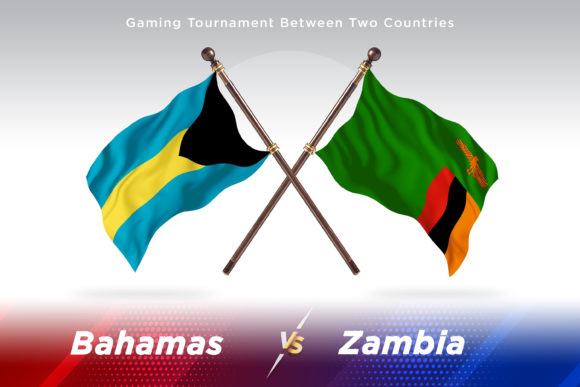
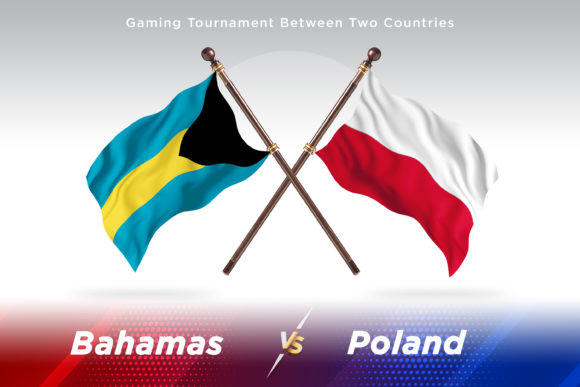
The national flag of the Bahamas consists of three horizontal stripes: aquamarine, gold, and black. These colors symbolize the sea, sand, and the resilience of the Bahamian people, respectively. The aquamarine stripe represents the surrounding ocean, which has historically shaped the country’s economy and culture. Gold stands for the sun and the sandy beaches, while black signifies the strength and determination of the Bahamian population.
- Blue Stripe: Reflects the Caribbean Sea and the importance of marine resources.
- Gold Stripe: Represents the natural beauty of the islands and their wealth of sunlight.
- Black Stripe: Embodies the spirit of the Bahamian people and their perseverance through challenges.
In an official country flags illustration, the Bahamas flag is often displayed in its proper proportions and with accurate color codes to ensure authenticity. Its clean design and bold symbolism make it a popular choice for creative projects where clarity and recognition are key.
Venezuela Flag: Heritage and Revolution
The flag of Venezuela features three horizontal stripes: red, yellow, and blue. It also includes the coat of arms at the center. Each element carries deep historical meaning. The red stripe honors the blood spilled by those who fought for independence, the yellow represents the country’s wealth from natural resources like oil, and the blue stands for the sky and freedom.
- Red Stripe: A tribute to the sacrifices made during the struggle for independence.
- Yellow Stripe: Symbolizes the economic prosperity derived from Venezuela’s abundant natural resources.
- Blue Stripe: Represents the ideals of liberty and peace cherished by Venezuelans.
When illustrating the Bahamas versus Venezuela two flags concept, it’s essential to highlight the contrast not only in design but also in the messages each conveys. The inclusion of the coat of arms in Venezuela’s flag adds another layer of complexity and historical context that can enrich the visual narrative.
Comparing the Two Flags
While both flags have three horizontal stripes, their colors and meanings differ significantly. The Bahamas flag emphasizes nature and community, whereas the Venezuela flag reflects a revolutionary past and national pride. These distinctions become even clearer when viewed side-by-side in a two flags versus format.
Such an illustration allows viewers to appreciate the subtle and overt differences between flags. Whether for academic research, business branding, or personal interest, having access to a professionally designed flag comparison image can be incredibly beneficial.
Design Considerations for a Two Flags Illustration
Creating an effective Official Country Flags illustration requires attention to detail and adherence to design best practices. Here are some important considerations when designing a “Bahamas versus Venezuela” layout:
- Resolution and Format: A standard size for such illustrations is 4500 x 3000 pixels. This ensures the image remains sharp and clear, especially when printed or displayed on large screens. Providing files in JPEG, PNG, and PSD formats gives users flexibility depending on their needs.
- Layer Organization: Having each flag on its own layer allows for individual manipulation. This is crucial for designers who may want to adjust colors, add effects, or integrate the flags into larger compositions.
- Smart Objects: Utilizing smart objects in Photoshop enables non-destructive editing. Users can scale, rotate, or transform the flags without affecting their original resolution or clarity.
- Isolated Background: An isolated background helps emphasize the flags and makes them suitable for use in various design applications—from website banners to infographic backgrounds.
Applications of the Two Flags Concept
The Bahamas versus Venezuela two flags illustration isn’t just for decoration. It serves several practical purposes across different industries:
Education and Research
In classrooms or online courses, comparing flags like those of the Bahamas and Venezuela can aid students in understanding geography, politics, and cultural diversity. Teachers and educators can use layered PSD files to create interactive lessons or presentations that explain the symbolism behind each flag.
Business and Marketing
Companies operating internationally often need to represent different countries visually. A high-quality flag illustration can be used in marketing campaigns, product packaging, or promotional content to showcase global reach or partnerships. For instance, a travel company promoting destinations in the Caribbean might include the Bahamas flag alongside other regional flags to create a cohesive visual theme.
Graphic Design and Creativity
Graphic designers frequently use flag illustrations to enhance logos, posters, and digital art. With a well-structured PSD file, they can easily incorporate the flags into their designs while maintaining scalability and editability. This makes it simple to produce variations for different audiences or platforms.
Technology and Digital Media
In web development and app design, flag illustrations are often used in UI/UX elements to denote regions, languages, or user preferences. High-resolution images in JPEG or PNG formats ensure compatibility across devices and screen sizes. Developers can also benefit from smart object layers if they plan to animate or interact with the flags in any way.
Why Choose a Professional Illustration?
Using a professionally created Two Flags Versus illustration offers numerous advantages over generic stock images or amateur designs:
- Accuracy: Official flags are created using precise measurements and color codes. A professional illustration guarantees that these standards are met, avoiding misrepresentation.
- Customization: With smart objects and organized layers, you can personalize the illustration to fit your project’s specific requirements. This is especially helpful when integrating flags into existing designs.
- Quality: A 4500 x 3000 px resolution provides exceptional detail, making the illustration suitable for print and digital media alike.
- Consistency: Maintaining consistent visual styles across all flags enhances the overall look of your design and ensures a polished final product.
Common Misunderstandings About Flag Illustrations
There are several common misconceptions when it comes to flag illustrations. One is the belief that all flags should be treated the same in terms of design. In reality, each flag has its own unique characteristics and cultural significance, which must be respected and accurately represented.
Another misunderstanding is that any flag image found online is appropriate for commercial or educational use. However, many images lack the necessary resolution or fail to meet official specifications. Using a professionally crafted illustration eliminates these issues and ensures legal and aesthetic compliance.
How to Use Your Two Flags Illustration
Once you have the Bahamas versus Venezuela two flags illustration in your possession, there are countless ways to utilize it effectively:
- Presentations: Add the illustration to slides when discussing geopolitics, economics, or cultural studies.
- Websites and Blogs: Use it as a header image or infographic to engage readers with visual content.
- Social Media: Share the PNG or JPEG versions to promote awareness or start conversations about international relations.
- Print Media: Incorporate the image into brochures, magazines, or reports where visual comparisons are needed.
- Art Projects: Artists can use the flags as part of a broader composition or to explore themes of identity and nationalism.
Expanding the Collection
If your project involves more than just the Bahamas and Venezuela, you may need additional flags. Fortunately, many designers offer bundles or custom requests to include other official country flags. Whether you’re working on a global map visualization, a multi-national brand campaign, or a comprehensive guide to world flags, having access to a wide range of flag illustrations can greatly enhance your work.
Always verify the accuracy and legality of the flags you use. While most illustrations are based on public domain sources, it’s wise to confirm that no copyright restrictions apply—especially for commercial usage.
Conclusion
The Bahamas versus Venezuela two flags illustration is a valuable tool for anyone looking to understand, compare, or creatively present national symbols. By choosing a high-quality, well-organized design with smart objects and layered visuals, you ensure both accuracy and flexibility. Whether for educational purposes, business branding, or artistic expression, this type of illustration plays a crucial role in conveying information clearly and effectively.
As our world becomes increasingly interconnected, visual representations like these help us navigate the complexities of international relationships and cultural appreciation. So next time you see a flag, remember—it’s more than just fabric and color. It’s a story waiting to be told.