Bahamas Versus Papua New Guinea Flags: A Visual Tool for Comparative Design and Global Awareness
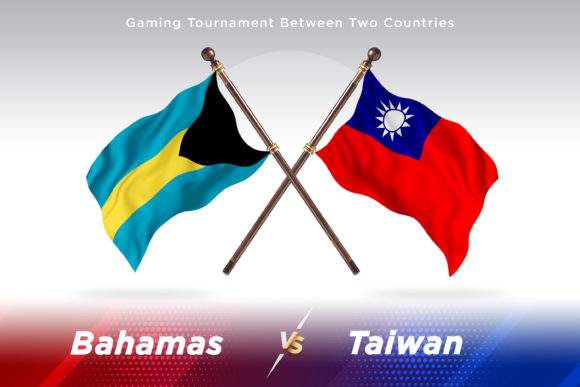
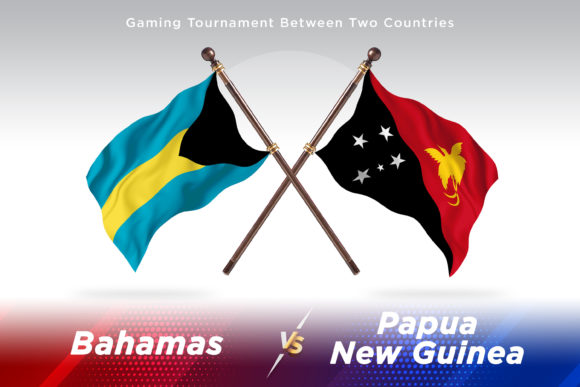
When working on design projects that involve international themes, branding efforts with a global perspective, or educational content about geography and culture, having access to accurate and visually appealing country flags is essential. The Bahamas Versus Papua New Guinea Flags concept illustration serves as a powerful resource in such scenarios. This tool provides a clean, high-resolution visual comparison of the official flags of the Bahamas and Papua New Guinea, each placed on its own isolated layer within a 3D waving position. It’s not just an image—it's a structured design file ready for integration into your workflow.
Understanding the Concept Illustration
The Bahamas Versus Papua New Guinea Flags illustration is designed for professionals who need to make quick comparisons between national symbols or incorporate them into presentations, marketing materials, infographics, or creative assets. It features two distinct flags—Bahamas and Papua New Guinea—rendered in their official colors and proportions, set against an isolated background. Each flag is layered separately, making it easy to edit, reposition, or replace one without affecting the other.
This type of visual aid is particularly useful when planning content that requires geographical references, cultural sensitivity, or data visualization where country representation matters. For instance, marketers preparing campaigns targeting multiple regions might use this illustration to emphasize inclusivity or diversity in their messaging.
Preparation and Integration Into Your Workflow
Before using the Bahamas Versus Papua New Guinea Flags illustration, it’s important to assess your project’s needs. Ask yourself whether a direct comparison of these two countries’ flags adds value to your message. If you’re creating a travel guide, geopolitical analysis, or any content that involves contrasting elements from different cultures, this illustration can serve as a strong visual anchor.
One key benefit of this resource is its format. You receive one PSD file (4500 x 3000 px), along with JPEG and PNG versions, which ensures compatibility across various platforms and software. Whether you're using Adobe Photoshop, Illustrator, or another design tool, the smart object feature allows for non-destructive editing. This means you can resize, recolor, or adjust the flags while maintaining clarity and quality.
Using the Illustration Before, During, and After a Project
Before a project: Use the Bahamas versus Papua New Guinea Two Flags Versus illustration during the planning phase to help define the scope of work. If you're designing a presentation or infographic that will compare aspects of both nations—such as economic growth, tourism potential, or cultural heritage—the flags can be used to introduce the subject matter early in the design process.
During a project: In the execution phase, this illustration becomes a valuable asset for maintaining consistency. Because the flags are isolated on separate layers with clear naming conventions, they can be easily adjusted or animated if needed. Designers working on multi-layered compositions appreciate how this setup saves time and reduces errors, especially when aligning elements or adjusting transparency.
After a project: Even once your main deliverables are complete, the illustration can be repurposed. Educators may reuse it for classroom discussions on symbolism in national identity, while entrepreneurs might adapt it for promotional material highlighting international partnerships or expansion goals.
Compatibility and Usability Across Platforms
Thanks to the well-organized layers and standard file formats included, the Bahamas Versus Papua New Guinea Flags illustration works seamlessly across digital and print media. The JPEG version is ideal for web use due to its optimized file size and broad compatibility, whereas the PNG offers a transparent background for more flexible placement in designs. The PSD file, with its smart objects and layer structure, is best suited for designers who want full control over the visual elements.
If your project requires additional flags beyond those provided, the open-ended nature of the illustration makes it easy to request custom additions. Many design bundles include this flexibility, allowing users to expand the collection to suit specific needs. For example, if you're comparing all island nations, adding the flag of Fiji or the Maldives could further enhance the visual narrative.
Efficiency and Quality Control in Design
Design efficiency is crucial in fast-paced environments. With the Bahamas Versus Papua New Guinea Flags illustration, you eliminate the need to source, scale, and layer individual flags manually. This not only speeds up the design process but also helps maintain accuracy in flag dimensions and color fidelity—two factors that can significantly impact professionalism.
Moreover, the illustration supports consistent branding. If you’re using it in a series of related graphics, such as a comparative report on tourism in the Caribbean and Pacific Islands, having standardized flag visuals ensures a cohesive look throughout your materials. This level of detail can influence how your audience perceives the credibility and thoughtfulness of your work.
Practical Implementation Tips
- Use Smart Objects: When editing the PSD file, always work through smart objects to preserve the original resolution and avoid pixelation.
- Layer Naming: Take advantage of the properly named layers to streamline adjustments and reduce confusion when collaborating with others.
- Background Isolation: Since the flags are set against an isolated background, consider placing them over relevant textures or images to create context-specific visuals.
- Customization: Don’t hesitate to modify the flags’ positions, add text overlays, or apply subtle effects like shadows or gradients to match your design theme.
- Repurposing: Extract individual flags for use in smaller components such as social media posts, website headers, or mobile app interfaces.
Workflow Examples and Use Cases
Here are a few real-world applications where the Bahamas versus Papua New Guinea Two Flags Versus illustration proves useful:
1. International Marketing Campaigns
Marketers promoting travel packages to both the Caribbean and South Pacific can use the flags to highlight the diversity of destinations. Placing them side by side reinforces the idea of offering unique experiences in two very different parts of the world.
2. Educational Presentations
Teachers or content creators developing lessons on global cultures or political systems can integrate the flags into slides or posters. The visual contrast encourages students to explore the differences between the two countries’ histories and identities.
3. Branding for Multinational Businesses
A company expanding operations into both the Bahamas and Papua New Guinea might use this illustration in internal training materials or external communications to symbolize their commitment to both markets.
4. Infographic Design
In data-driven storytelling, the flags can represent key points in a timeline, map, or comparison chart. Their isolated nature makes them adaptable for labeling, annotations, or even as part of an interactive element in digital infographics.
Factors to Consider for Long-Term Use
To ensure long-term usability of the Bahamas Versus Papua New Guinea Flags illustration, consider the following:
- Storage and Organization: Keep the PSD, JPEG, and PNG files together in a clearly labeled folder for easy retrieval in future projects.
- Version Control: Save different iterations of the file when making changes, especially if the illustration is being shared among team members.
- Scalability: Verify that the flags remain sharp at various sizes, especially if they'll be printed or displayed on large screens.
- Legal Compliance: Always confirm that the use of country flags adheres to copyright and trademark guidelines, particularly in commercial settings.
- Future Expansion: Maintain a list of any requested additional flags so they can be incorporated later if needed.
Conclusion
The Bahamas Versus Papua New Guinea Flags illustration is more than just a visual element—it’s a strategic component in the broader design and communication process. By providing accurate, scalable, and editable representations of two official country flags, it empowers users to create professional-grade content with ease and confidence. Whether you're in marketing, education, publishing, or any field that benefits from geographic representation, integrating this resource into your workflow can save time, enhance visual appeal, and support clearer communication of complex ideas.
By leveraging the structured layers and versatile file formats, you ensure that your final output remains consistent, organized, and aligned with your project goals. As with any design asset, the key is understanding how it fits into your existing processes and adapting it accordingly. With thoughtful implementation, the Bahamas Versus Papua New Guinea Flags can become a reliable part of your toolkit for global-themed projects.