Bangladesh Versus Guyana Two Flags: Elevating Visual Narratives in Global Design
In the contemporary landscape of digital design and visual communication, the ability to convey complex geopolitical or cultural relationships instantly is a critical skill. One specific asset that has garnered attention among professional designers, marketers, and content creators is the Bangladesh Versus Guyana Two Flags concept. This illustration serves not merely as a decorative element but as a sophisticated tool for representing international relations, sports competitions, trade agreements, or comparative market analyses.
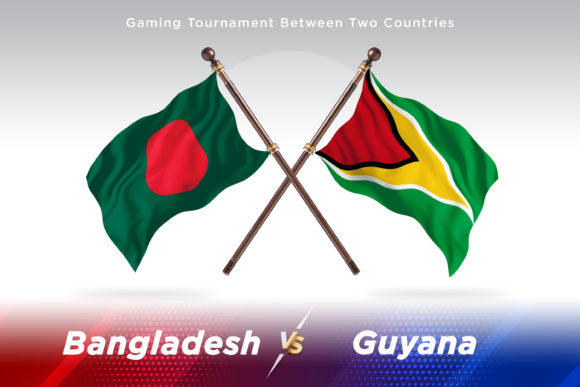
The Bangladesh versus Guyana Two Flags Versus concept illustration offers a high-fidelity representation of these two distinct nations, isolated against a clean background. For professionals working in sectors ranging from international sports broadcasting to diplomatic reporting, having access to precise, editable flag assets is essential. This article explores the strategic value of such design resources, examining how they fit into broader trends in creative workflows, brand storytelling, and global connectivity.
The Anatomy of a High-Impact Flag Illustration
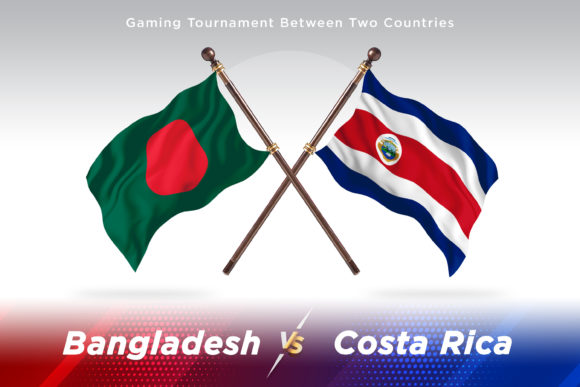
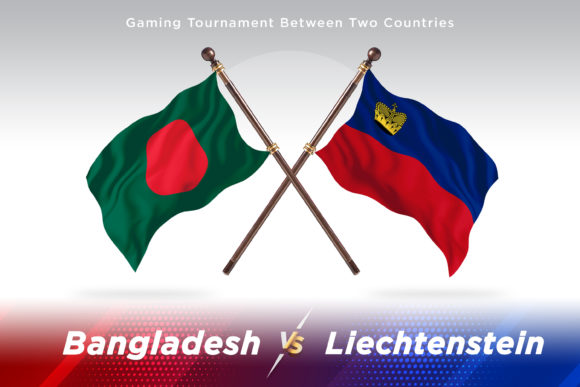
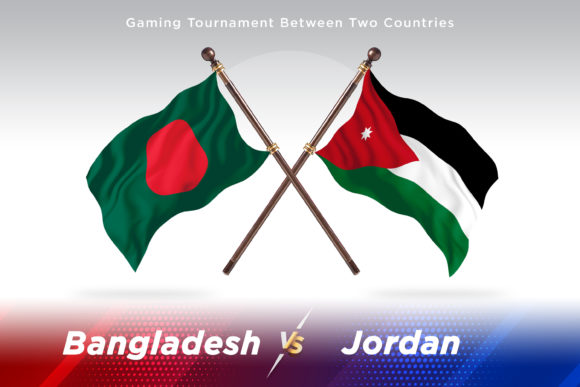
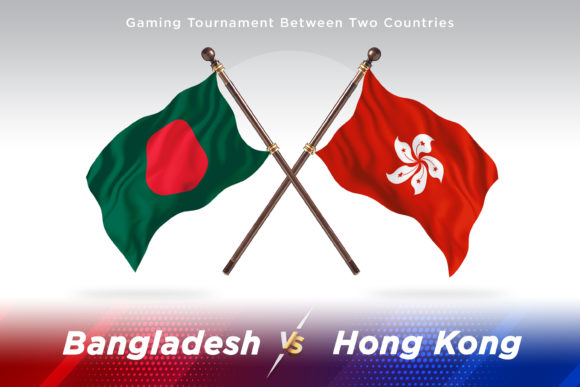
At its core, the Bangladesh Versus Guyana Two Flags asset is a meticulously crafted digital composition. Unlike static images found on generic stock photo sites, this illustration is designed with the modern designer’s workflow in mind. The visual features 3D waving positions, providing a sense of motion and realism that flat vector graphics often lack. However, unlike heavy raster images, it retains the flexibility required for scalable design.
The technical specifications of this asset highlight its professional utility:
- High Resolution: Delivered at 4500 x 3000 pixels, ensuring crisp output for both web and print media.
- Layered Architecture: Each flag is isolated on its own layer. This allows designers to manipulate individual elements—such as adjusting the wave intensity, color balance, or shadow depth—without affecting the other nation’s representation.
- Smart Object Integration: By utilizing smart objects, users can easily swap out flags or adjust textures via Photoshop, streamlining the editing process significantly.
- Multiple Formats: The bundle includes one PSD file for deep editing, alongside JPEG and PNG versions for immediate use in presentations or social media posts.
This level of organization reflects a shift in the industry toward modular design systems. Professionals no longer seek single-use images; they require adaptable components that can be integrated into larger, dynamic campaigns. The Bangladesh versus Guyana Two Flags Versus concept exemplifies this need by offering a ready-to-deploy yet fully customizable solution.
Contextual Relevance in Global Markets
Why are designers and marketers paying attention to the pairing of Bangladesh and Guyana? While these two nations may not share a geographic border, their intersection in the global arena is growing increasingly significant. Understanding the context behind such pairings helps explain the demand for high-quality visual representations.
Sports and International Competition
One of the most common applications for a "versus" flag illustration is in sports journalism and event promotion. Whether it is cricket, badminton, or emerging esports tournaments, the visual language of competition relies heavily on national symbolism. When Bangladesh competes against Guyana in any international sporting event, broadcasters and promoters need immediate, recognizable graphics. The Bangladesh Versus Guyana Two Flags asset provides this instantly, reducing the time spent on graphic creation and allowing teams to focus on content strategy.
Trade and Diplomatic Relations
Beyond sports, the rise of South-South cooperation has brought nations like Bangladesh and Guyana into closer economic dialogue. Both countries are navigating similar challenges in developing economies, including infrastructure development, agricultural innovation, and digital transformation. Marketing materials, white papers, and diplomatic briefings often require visuals that represent bilateral cooperation or comparison. The clean, isolated background of the flag illustration makes it ideal for overlaying text, charts, or logos, facilitating clear communication of complex data.
Cultural Exchange and Tourism
In the realm of lifestyle and tourism, visual storytelling is paramount. As global travel rebounds, there is a surge in content comparing destinations, cultures, and experiences. A designer creating a campaign about "Hidden Gems of the Global South" might use the Bangladesh versus Guyana Two Flags Versus concept to visually anchor a comparative article. The 3D waving effect adds a dynamic, inviting quality that static maps cannot achieve, drawing the viewer’s eye and encouraging engagement.
Meeting Changing Creative Needs
The demand for assets like the Bangladesh Versus Guyana Two Flags illustration is driven by several evolving trends in the creative industry:
- Speed to Market: In today’s fast-paced digital environment, content must be produced rapidly. Pre-made, well-organized PSD files allow designers to bypass the tedious process of recreating flags from scratch, accelerating project timelines.
- Customization over Genericism: Audiences are increasingly skeptical of generic stock imagery. They expect authenticity and precision. The ability to edit layers and use smart objects ensures that the final output aligns perfectly with a brand’s specific aesthetic guidelines.
- Accessibility of Niche Content: Historically, high-quality illustrations were limited to major world powers. However, as globalization expands, there is a growing need for accurate representations of smaller or less frequently depicted nations. This asset bundle addresses that gap, offering professional-grade visuals for Bangladesh and Guyana.
Furthermore, the inclusion of official country flags from all over the world in similar bundles speaks to a broader trend: the democratization of design resources. Freelancers and small agencies can now access the same quality of assets as large corporations, leveling the playing field in terms of visual professionalism.
Practical Applications for Professionals
To illustrate the practical value of this asset, consider the following scenarios where a professional might utilize the Bangladesh Versus Guyana Two Flags concept:
The Sports Broadcaster
A graphic designer for a sports network needs to create an intro sequence for a match between Dhaka Dynamites and Georgetown Royals (hypothetical cross-league exhibition). Using the 3D waving flags, the designer can animate the flags entering the screen, adding tension and excitement. The isolated layers allow for the addition of team colors or sponsor logos without compromising the integrity of the national symbols.
The Corporate Marketer
A marketing firm is launching a campaign for a multinational corporation expanding its operations into new markets. They produce a series of infographics highlighting potential investment opportunities. The Bangladesh versus Guyana Two Flags Versus image serves as the header for a comparative analysis page, helping stakeholders quickly grasp the dual-market focus. The high resolution ensures the infographic looks sharp when printed in brochures or displayed on large conference screens.
The Academic Researcher
An educator preparing a lecture on international trade agreements uses the flag illustration in a PowerPoint presentation. The clean background allows them to overlay arrows, percentages, and text boxes directly onto the image, creating a cohesive visual aid that enhances student understanding of bilateral trade dynamics.
Looking Ahead: The Future of Digital Symbolism
As we move forward, the role of digital illustration in conveying national identity will only become more nuanced. With the rise of virtual events, augmented reality (AR), and immersive web experiences, static images are giving way to interactive elements. The layered nature of the Bangladesh Versus Guyana Two Flags PSD file prepares it for this future. Designers can extract individual layers to use in AR filters, 3D environments, or interactive websites, ensuring the asset remains relevant across multiple platforms.
Moreover, the emphasis on accuracy and respect in national symbolism is increasing. Misrepresentation of flags can lead to diplomatic faux pas or brand backlash. Therefore, sourcing assets from reputable providers who adhere to official standards is crucial. The detailed layering and professional presentation of this bundle suggest a commitment to accuracy, making it a safe and reliable choice for sensitive projects.
Conclusion
The Bangladesh Versus Guyana Two Flags concept illustration is more than just a graphic; it is a strategic tool for effective communication in a globalized world. By combining high-resolution 3D aesthetics with flexible, user-friendly editing features, it meets the diverse needs of professionals in sports, business, education, and media.
For designers and marketers seeking to enhance their visual narratives, investing in high-quality, well-organized assets is not just a convenience—it is a necessity. Whether you are covering a sporting event, analyzing trade relations, or simply celebrating cultural diversity, the right visual resource can make all the difference. As the demand for authentic, adaptable content continues to grow, assets like the Bangladesh versus Guyana Two Flags Versus illustration will remain indispensable in the toolkit of the modern creative professional.
If you require additional flags not present in the initial bundle, many providers offer extensive libraries covering every nation worldwide. Do not hesitate to explore these options to ensure your projects are supported by the most comprehensive and accurate visual data available. In an era where visual clarity defines credibility, choosing the right assets is the first step toward impactful design.