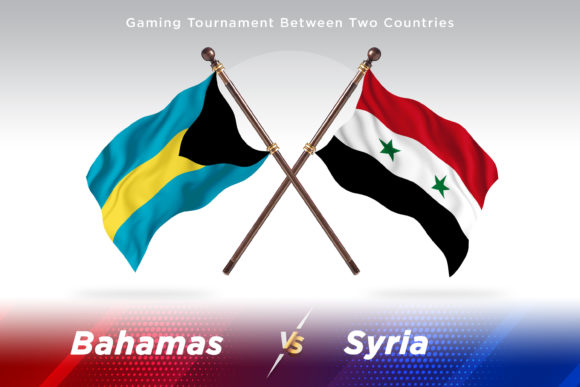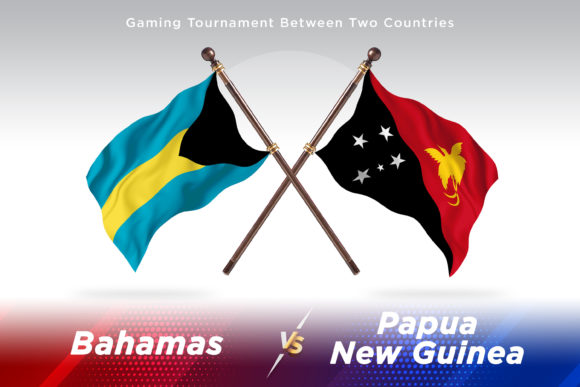
Bahamas Versus Kuwait Two Flags – A Visual Concept for Global Comparisons
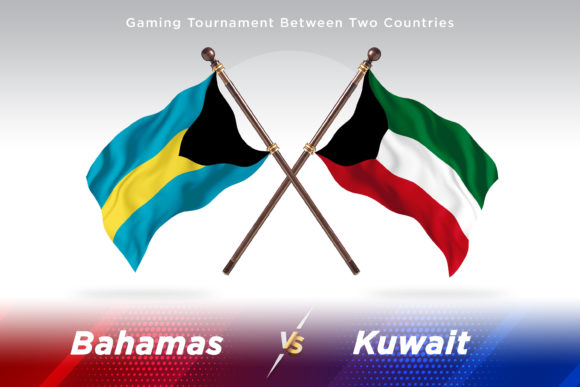
When it comes to representing the unique identities of countries in a visual format, few concepts are as compelling and informative as the Bahamas Versus Kuwait Two Flags illustration. This design approach uses official country flags to highlight contrasts or comparisons between two nations—often through 3D waving positions on an isolated background. It’s a powerful tool for designers, educators, marketers, and anyone looking to communicate differences or similarities in a clear and engaging way.
Understanding the Bahamas Versus Kuwait Two Flags Concept
The Bahamas Versus Kuwait Two Flags concept is more than just placing two flags side by side. It involves creating a dynamic visual comparison that captures attention while conveying meaningful information. The illustration typically features the national flags of the Bahamas and Kuwait arranged in a visually balanced composition, often with one flag on each side of the canvas, each rendered in high detail and placed on its own layer for easy editing.
This type of design is especially useful when you want to emphasize cultural, economic, political, or geographic distinctions between two countries. Whether you're designing for a presentation, website, infographic, or promotional material, having the ability to manipulate and customize the flags using smart objects in Photoshop makes this resource incredibly versatile.
Challenges Addressed by the Design
Designers and content creators often face challenges when trying to represent complex global data in a simple, digestible format. Using text alone can be overwhelming, while generic stock images may not accurately reflect the subject matter. The Bahamas Versus Kuwait Two Flags illustration solves these issues by:
- Providing clarity through symbolic representation of national identity.
- Offering customization with layered PSD files and smart object support.
- Ensuring accuracy by using officially sourced and correctly proportioned flags.
- Enhancing engagement with a professional 3D look and realistic wave motion.
Additionally, the JPEG and PNG formats included make it easy to use the final output across digital platforms without needing to process the original file every time.
Goals and Use Cases
The primary goal of the Bahamas Versus Kuwait Two Flags illustration is to provide a clean, professional visual aid that supports storytelling or educational purposes. Common use cases include:
- Marketing campaigns comparing products or services in different regions.
- Educational materials highlighting geopolitical or cultural contrasts.
- Travel and tourism content showcasing destination diversity.
- Political analysis presenting comparative insights between nations.
- Event branding for international conferences or competitions.
For instance, if you're creating a presentation about international trade agreements, showing the Bahamas versus Kuwait in this format could help your audience quickly grasp the idea of bilateral relationships. Similarly, travel agencies might use such visuals to contrast tropical destinations like the Bahamas with culturally rich cities like Kuwait City.
Practical Applications and Outcomes
One of the most practical applications of the Bahamas Versus Kuwait Two Flags design is in the realm of infographics. These visuals allow for quick assimilation of data, helping users understand nuanced topics at a glance. When paired with concise copy, the illustration can serve as the focal point of a slide or webpage section.
Another outcome of using this concept is increased flexibility in design workflows. With the provided PSD file containing well-organized layers and smart objects, designers can easily replace the flags with those of other countries without compromising quality or layout. This adaptability is essential for projects that require frequent updates or variations.
Consider a scenario where you need to compare environmental policies of island nations versus desert states. The Bahamas, being a Caribbean archipelago known for its beaches and marine ecosystems, can be juxtaposed with Kuwait, a Middle Eastern country rich in oil but facing water scarcity. The Bahamas Versus Kuwait Two Flags illustration becomes a central element in this narrative, guiding the viewer’s eye and reinforcing key messages.
How Different Users Can Approach the Topic
Depending on the user's role and objectives, the Bahamas Versus Kuwait Two Flags illustration can be approached in various ways:
- Graphic Designers can leverage the layered PSD file to modify colors, add overlays, or integrate the flags into larger compositions seamlessly.
- Content Creators can use the JPEG and PNG versions to enhance blog posts, social media graphics, or YouTube thumbnails with a professional touch.
- Marketers might use the concept in brand messaging that highlights regional partnerships or cultural relevance.
- Teachers and Educators can incorporate the image into lesson plans to spark discussions on geography, politics, or culture.
Each group benefits from the same foundational design, yet applies it uniquely to their field. For example, an educator might create a quiz using the flags to test students' knowledge of capitals or languages, while a marketer might overlay logos or slogans onto the flags to showcase brand alignment with either nation.
Useful Considerations and Recommendations
Before implementing the Bahamas Versus Kuwait Two Flags illustration, consider the following recommendations to ensure optimal results:
- Understand your audience: Tailor the context of the illustration to match the interests and knowledge level of your viewers.
- Maintain visual balance: Ensure both flags are equally prominent to avoid bias in the comparison.
- Choose the right format: Use the PSD version for further editing and the JPEG/PNG for final output depending on your platform needs.
- Respect cultural sensitivity: While flags are powerful symbols, they should be used respectfully and appropriately in any design project.
Also, keep in mind that while the Bahamas and Kuwait flags are included in the bundle, the design is structured to allow for the addition of other flags. If your project requires including more countries, simply request additional flag assets and integrate them using the smart object method described in the file.
Implementation Tips for Maximum Impact
To get the most out of the Bahamas Versus Kuwait Two Flags concept, follow these best practices during implementation:
- Align with a broader message: Use the illustration to support a larger theme or story rather than as a standalone graphic.
- Incorporate text wisely: Add captions or labels only when necessary to explain the purpose of the comparison.
- Optimize for screen size: Since the file resolution is 4500 x 3000 px, scale it appropriately for web or print to maintain clarity.
- Test color schemes: Make sure the flags stand out against your chosen background, especially if you’re customizing the design.
For instance, if you're working on a travel blog post contrasting the beaches of the Bahamas with the historical sites of Kuwait, place the flags near corresponding sections of the article. This helps reinforce the connection between the visual and the written content, making your message more cohesive and memorable.
Conclusion
The Bahamas Versus Kuwait Two Flags illustration is a valuable asset for anyone looking to present country comparisons in a clear, engaging, and professional manner. Its thoughtful design, high-resolution format, and editable smart objects make it adaptable to a wide range of projects and industries. By understanding how to use this visual effectively, you can enhance your content, streamline your design workflow, and deliver more impactful messages to your audience.
Whether you're comparing cultures, economies, or anything else that relates to national identity, the Bahamas Versus Kuwait Two Flags offers a strong foundation to build upon. And if your project involves more countries, remember that the structure allows for easy expansion. Use this tool to bring your ideas to life with precision and creativity.