Bahamas Versus Singapore Two Flags: A Visual and Conceptual Comparison
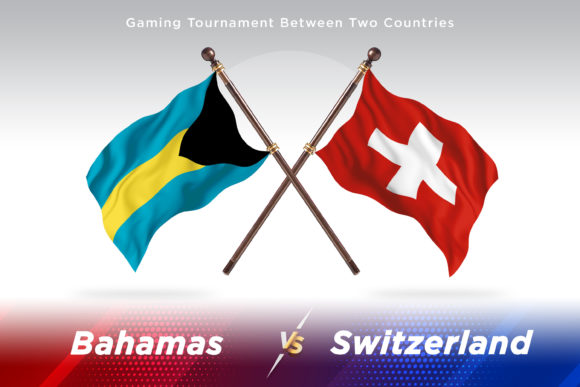
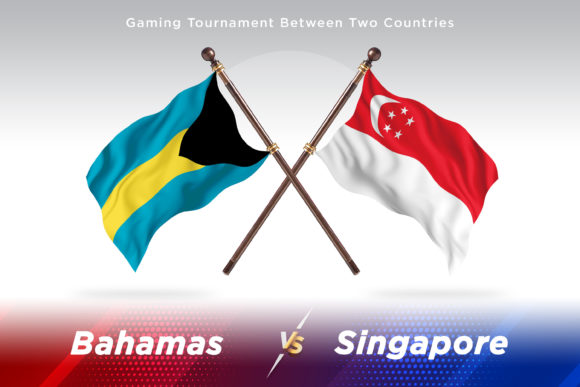
When it comes to representing the identity of a nation, few symbols are as powerful or evocative as its flag. The Bahamas versus Singapore Two Flags concept illustration is a compelling visual tool that brings together the official flags of two distinct countries—The Bahamas and Singapore—in a dynamic, 3D waving format. This design not only showcases the aesthetic differences between these national emblems but also serves as an educational and creative resource for professionals, designers, educators, and enthusiasts who seek to explore cultural and political symbolism through high-quality visuals.
Understanding the Flags: A Closer Look
The illustration features the Official Country Flags of The Bahamas and Singapore, each meticulously rendered and isolated on separate layers within a single PSD file. This ensures clarity and precision when using the design in digital projects, marketing materials, or academic presentations. The flags are positioned side by side, with both appearing in their correct aspect ratios and colors, making them instantly recognizable even to those unfamiliar with the countries they represent.
The Flag of The Bahamas
The Bahamian flag consists of a horizontal triband of aquamarine, black, and gold. The aquamarine stripe represents the surrounding sea, while the black symbolizes the strength and determination of the people. The gold stands for the natural wealth and beauty of the islands. In the center, there is a black triangle with a white diagonal cross and a golden sunburst. These elements reflect the country's history, its connection to the ocean, and its aspirations for peace and prosperity.
The Flag of Singapore
Singapore’s flag is a simple yet elegant combination of a red background and a white crescent moon at the bottom half, flanked by five white stars arranged in a circle. Red signifies universal brotherhood and equality, while the white represents purity and virtue. The crescent moon and stars symbolize a young nation on the ascendant path, aiming toward a bright future. Unlike the Bahamian flag, which incorporates multiple colors and geometric shapes, Singapore’s design is minimalistic and symbolic, emphasizing unity and progress.
Design Features and Practical Use Cases
The Bahamas versus Singapore Two Flags illustration includes three main file formats: one PSD file (4500 x 3000 px), one JPEG, and one PNG. Each file is optimized for different applications, whether you need a layered design for editing or a flat image for quick use. The inclusion of smart objects in the PSD allows for easy customization without compromising the quality of the original artwork. This makes it ideal for graphic designers, content creators, and businesses looking to incorporate the flags into presentations, infographics, or promotional material.
Well-Organized Layers for Flexibility
One of the standout features of this illustration is its well-organized layer structure. Each flag is placed on its own layer, clearly labeled with its respective country name. This organization streamlines the editing process, allowing users to modify individual elements without affecting the rest of the composition. Whether you want to change the background, adjust the lighting, or add additional elements such as text or logos, the layered format gives you full control over the final output.
Applications Across Industries
This type of visual comparison has real-world relevance across various industries. For example:
- Graphic Designers: Can use the illustration as part of larger compositions or as a standalone element in banners, posters, and web headers.
- Marketing Professionals: Might leverage the image for campaigns highlighting international partnerships or comparative studies between markets.
- Educators and Researchers: Can integrate the design into slideshows or reports to visually support discussions about geopolitics, culture, or economic development.
- Creative Agencies: May utilize the flags in logo concepts, branding exercises, or as inspiration for new color schemes and layouts.
- Travel Industry: Could feature the illustration in brochures, websites, or promotional videos showcasing travel itineraries between The Bahamas and Singapore.
Why Choose a Professional Illustration?
In today’s digital landscape, having access to high-resolution, professionally designed assets is essential. The Bahamas versus Singapore Two Flags illustration offers more than just a visual representation—it provides a foundation for storytelling and data visualization. Its clean lines, accurate colors, and realistic 3D rendering make it suitable for both print and digital media, ensuring consistency and professionalism in any project it supports.
Advantages of Using Isolated Flags
By isolating each flag, the illustration eliminates potential distractions from the background, allowing the viewer to focus solely on the flags themselves. This isolation is particularly useful in:
- Comparative Analysis: When presenting side-by-side comparisons, the flags can be easily manipulated or annotated.
- Custom Branding: Businesses that operate in both regions may find this illustration helpful in creating culturally aware designs.
- Geographic Education: Teachers and students can benefit from the clear distinction between the two flags to enhance learning experiences.
- Content Creation: Bloggers, YouTubers, and podcasters can use the image to introduce topics related to geography, politics, or tourism.
Real-World Relevance and Cultural Context
National flags are more than just colorful patterns—they carry deep historical and cultural significance. The Bahamas versus Singapore Two Flags illustration captures this essence by placing two unique national identities in direct contrast. While The Bahamas is known for its tropical beaches and vibrant Caribbean heritage, Singapore is a global financial hub with a multicultural society. The flags serve as visual metaphors for these contrasting narratives, offering a glimpse into the values and histories of each nation.
Observations from the Design
From a design perspective, theBahamas flag is rich in detail and symbolism, reflecting a nation deeply connected to nature and history. On the other hand, Singapore’s flag is minimalist yet profound, embodying modernity and a forward-thinking mindset. The juxtaposition of these two flags highlights how different countries express their identities through visual language. The 3D waving effect adds a sense of motion and realism, making the illustration feel dynamic and engaging.
Expanding the Concept: Adding More Flags
If your project requires a broader scope, the illustration can be extended to include more flags from around the world. The modular design allows for easy integration of additional national flags, each placed on its own layer and named appropriately. This flexibility is especially valuable for multinational corporations, international organizations, or educational institutions that need to represent diverse cultures and nations in their visual communications.
Considerations for Customization
When customizing the Bahamas versus Singapore Two Flags illustration, consider the following best practices:
- Ensure that the background complements the flags without overpowering them.
- Maintain the integrity of the flags' colors and proportions for accuracy and respect.
- Use the smart object feature in the PSD to apply transformations non-destructively.
- For print usage, always verify the resolution and color profiles before exporting.
- Keep the overall composition balanced to maintain visual harmony and readability.
Conclusion
The Bahamas versus Singapore Two Flags illustration is more than just a collection of national symbols—it is a versatile and informative design asset that bridges the gap between aesthetics and meaning. With its high-resolution format, layered structure, and realistic presentation, it caters to a wide audience seeking to enhance their work with professional-grade visuals. Whether you're designing for education, business, or personal interest, this illustration provides a solid foundation for exploring the intersection of culture, geography, and design.